Brita Filters Tap Water Impurities With Carbon And Resin Technology
The company's pitchers use mesh and activated carbon to reduce odors and tastes, while specific resin components target metals like copper and lead.
By Thiago Cruz ·
Brita has spent more than 50 years developing filtration systems designed to remove impurities from tap water. The company's primary products are pitchers that use specific filtration media to address common concerns regarding taste and safety. While the Centers for Disease Control and Prevention states that the United States has one of the safest water supplies in the world, tap water can still become contaminated. Sources of these contaminants include sewage releases, natural chemicals, fertilizers, pesticides, and system malfunctions.
The standard Brita filter relies on a combination of a mesh screen and activated carbon. This setup is engineered to reduce undesirable odors and tastes in the water. In addition to the carbon, the standard filters include an Ion Exchange Resin. This specific component is designed to capture copper, zinc, and cadmium from the water stream.
For consumers seeking protection against more severe contaminants, Brita offers Longlast+ filters. These filters incorporate additional pleated material into their design. This extra layer helps reduce specific substances, including lead, asbestos, and cadmium. A third option is the stream filter, which operates differently from the standard pitcher method.
With the stream filter, the water is filtered as it is poured into a glass rather than as it sits in a reservoir. This process allows a user to fill the pitcher much more quickly. However, the tradeoff is that filling the glass itself takes a little longer compared to the traditional trickle method.
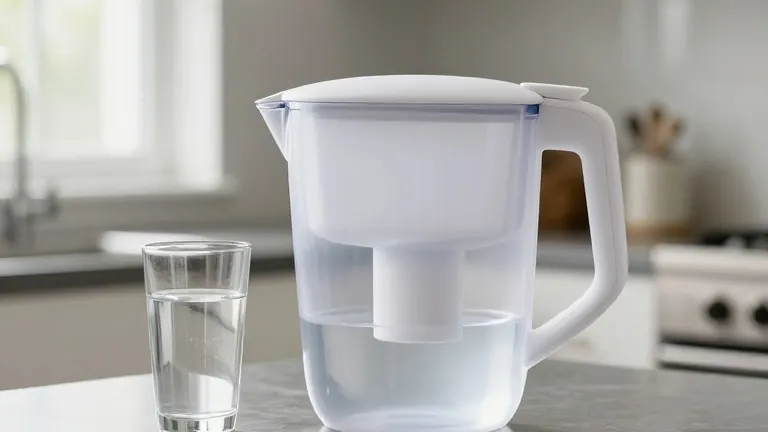
Most Brita pitchers feature a two-part design. Water enters an upper reservoir first and then trickles through the filter to fill the lower pouring reservoir. The capacity of these pitchers varies by model to accommodate different household needs. The 10-Cup Standard Everyday Pitcher is one of the larger options available from the brand.
This 10-cup model is designed to fit on a standard refrigerator shelf. It includes a locking lid to reduce the risk of spills and is compatible with both Standard and Longlast+ filters. Some users have noted that this specific model can be difficult to disassemble for cleaning.
For smaller households or kitchens with limited refrigerator space, Brita offers a 6-cup plastic pitcher. This version is lightweight and features an ergonomically designed large handle for easier pouring. Owners of this model have reported occasional lid leaks, though this issue typically occurs only if the pitcher is tipped backward.
The price for these filtration systems generally ranges from $15 to $45. The cost varies based on the pitcher's capacity and specific features. Most modern models include an electronic filter tracker built into the lid. This device counts the number of times the pitcher is filled and alerts the user when it is time to replace the filter.
If the tracker's power runs out, the water continues to be filtered. In that scenario, the user must manually track the filter usage. The company's manual recommends cleaning the pitcher periodically, a task that many users align with their filter replacement schedule. The recommended cleaning process involves disassembling the pitcher and washing the pieces by hand with mild dish detergent and a nonabrasive sponge.
Consumers who prefer room-temperature water can keep the pitcher on a counter. In that case, the manufacturer advises emptying and refilling the pitcher every few days to ensure the water remains fresh. The Mayo Clinic estimates that men need roughly 99 ounces of water daily and women need roughly 74 ounces, though these amounts vary based on activity and health.
Source: Boston Herald
More Business · Bad Service · Report a business · Got a Story?