Festive Feasts: Five Frozen Foods That Fit Holiday Diets
A registered dietitian outlines five specific frozen products that offer protein and fiber to help manage calorie intake during the holiday season.
By Claire Darwish ·
Tara Collingwood, a sports dietitian and health promotion expert, identifies five specific frozen food brands that can help consumers manage weight during the holiday season. Her advice centers on selecting items that provide protein and fiber while keeping sodium levels moderate. The goal is to replace high-calorie traditional desserts and large portions with structured, lower-calorie alternatives.
Collingwood emphasizes that satiety is driven by protein and fiber. She advises choosing meals that contain at least 20 grams of protein along with some fiber to feel fuller for longer. She warns against highly processed options that contain excessive amounts of fats or sugars, noting that these can undermine dietary goals.
The first recommendation is Smart Ones, a brand that offers breakfast and main dishes in controlled portions. Collingwood notes that these products are designed for individuals monitoring their calorie intake. The variety ranges from morning meals to dinner options, providing a consistent structure for daily eating.
Healthy Choice prepared plates are the second option. These meals feature chicken, vegetables, and other ingredients that contribute protein and fiber. Specific examples include grilled chicken bowls with vegetables and cauliflower curry energy bowls. Collingwood describes these as low in calories but high in protein and vegetable content.
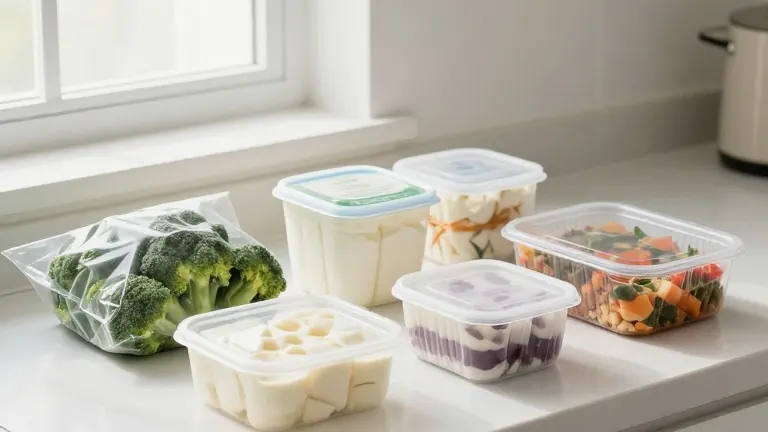
Green Giant frozen vegetables, such as broccoli and carrots, serve as practical side dishes. These items add volume and nutrients to a meal with few calories, provided they are purchased without added sauces or butter. Yasso Greek yogurt ice cream bars offer a sweet alternative to larger servings of ice cream or cake. Some of these bars contain between 80 and 100 calories, allowing for a dessert without a major caloric impact.
Dr. Praeger’s frozen products, including vegetable burgers and fish sticks, are the final recommendation. These items can be paired with salads or steamed vegetables. Collingwood points out that they have lower saturated fat and calorie counts and do not contain artificial additives.
No single food guarantees weight stability, as portion size and overall diet remain the primary factors. The U.S. Food and Drug Administration recommends checking the number of servings per container, as nutritional information often applies to a single serving rather than the whole package. The American Heart Association advises choosing frozen fruits and vegetables that have no added sauces, sugar, or salt.