Practical guide: What 2026 results mean for your ballot and ID
Democrats secured majorities in both chambers, changing the landscape for how federal oversight and mail ballot logistics will be handled in the new Congress.
By Claire Darwish ·
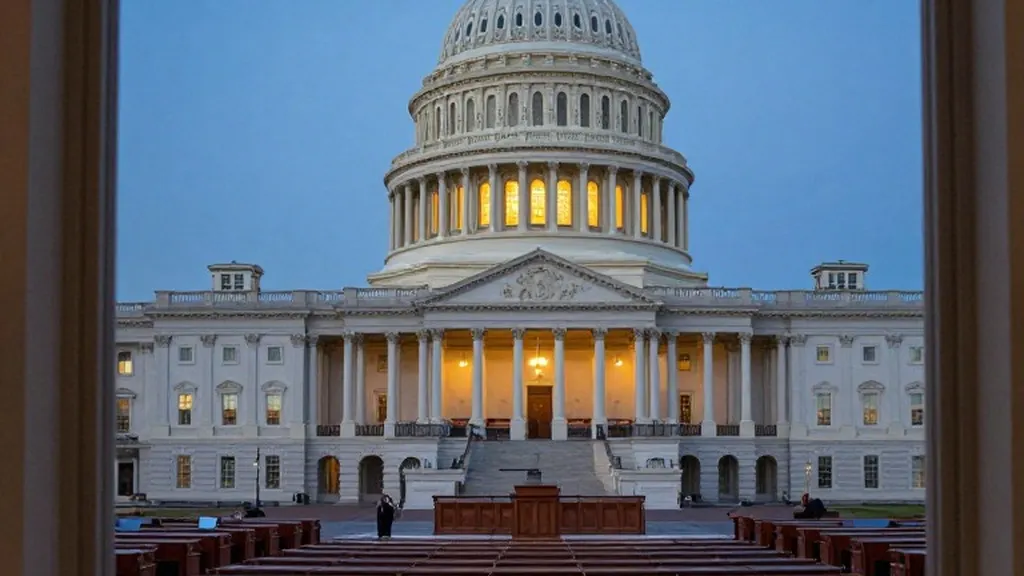
The 2026 midterm elections have concluded, with Democrats winning majorities in both the U.S. House and Senate. According to Ballotpedia, Democrats picked up at least 43 House seats and seven Senate seats, all of which were previously held by Republicans. As of 4 p.m. EST on November 6, 2026, Democrats hold at least a 250-157 majority in the House and a 54-44 majority in the Senate. This shift places the party in control of both chambers for the first time since before the 2010 elections, setting the stage for a new era of legislative oversight and budgetary control.
With Democrats in charge of the House and Senate, the practical aspects of voting, including mail ballot handling and Postal Service funding, are likely to see renewed scrutiny. The new majority plans to use its oversight and appropriations powers to push back against administrative decisions. Rep. Bobby Scott of Virginia, the top Democrat on the House Committee on Education and the Workforce, stated he plans to leave no rock unturned in his investigation of federal agencies. While his primary focus is on the Education Department, his committee's investigative powers, including the authority to issue subpoenas and hold hearings, will extend to other federal bodies that manage election logistics.
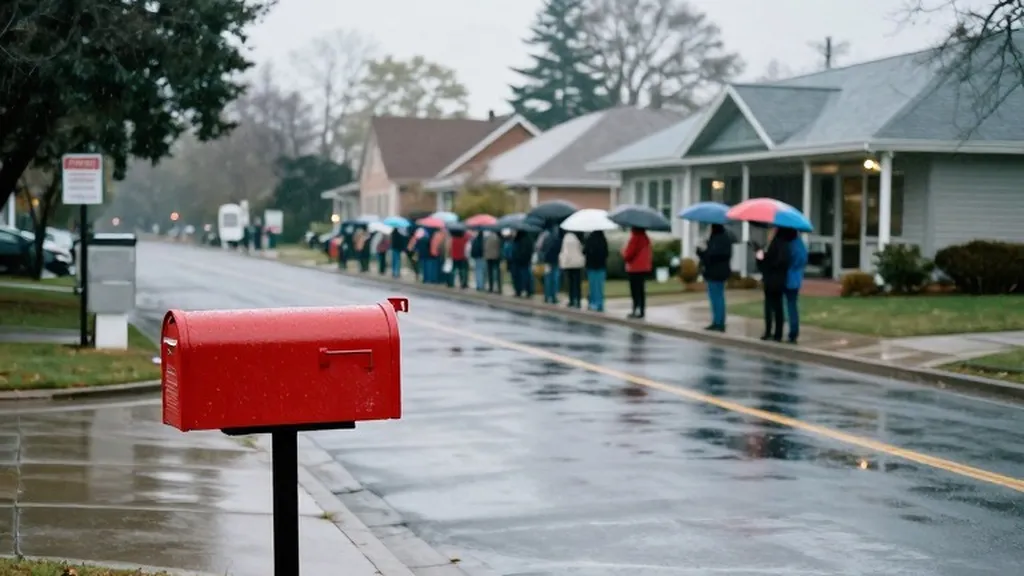
The Postal Service has long been a critical partner in the delivery of mail ballots. Under the previous administration, there were concerns about the efficiency of first-class mail delivery. Now that Democrats control the appropriations process, they are exploring ways to use the power of the purse to establish guardrails. Sen. Chris Van Hollen of Maryland, a member of the Senate Appropriations Committee, told The Associated Press that there will be an interest in using funding conditions to prevent abusive practices. This could translate into more stable funding for the Postal Service, ensuring that mail ballots arrive on time for future elections.
Voters should also be aware of the changes in state government that resulted from the 2026 election. Democrats won a majority of governorships and a plurality of state legislative chambers. In California, Xavier Becerra won the governor's race, becoming the state's first elected Latino governor. His victory exemplifies the complex voting patterns of Catholic voters in the state. According to the AP Voter Poll, about 6 in 10 Catholic voters supported Becerra, while about 4 in 10 voted for his Republican opponent, Steve Hilton. Latino Catholics showed stronger support for Becerra, with about 7 in 10 voting for him.
The election results also highlight the importance of understanding ID rules and poll hours in each state. While the federal government does not set uniform ID requirements, state legislatures often do. With Democrats winning control of more state houses, there may be shifts in how states manage voter registration and identification. Voters are encouraged to check their specific state's rules on the official vote.gov website. This site provides up-to-date information on poll hours, ID requirements, and how to track mail ballots.
Staying in line at polling places is another practical consideration for voters. Long lines can be a source of frustration, especially in urban areas. The new Congress is expected to review federal funding for election administration, which could impact resources available for extending poll hours or adding more polling places. Sen. Elizabeth Warren of Massachusetts called on Democrats to hold the Trump administration accountable for its policies, including those affecting student loans and education. This broader push for accountability may extend to how federal funds are allocated for election infrastructure.
The election was characterized by a significant swing against the president's party. Republicans' net loss of at least seven U.S. Senate seats put this year's elections in the top 20% of election years in terms of seat swings. This threshold is often defined as a wave election. While the House did not quite reach the wave threshold, the net loss of 42 seats is a substantial change. Uncalled races could still affect these totals, but the trend is clear. Democrats have the mandate to investigate and potentially alter how federal agencies, including the Postal Service, operate.
For voters in California, the election brought attention to the role of religion in politics. Xavier Becerra's campaign emphasized his Catholic upbringing and how it informs his politics. He noted that the sanctity of life is ingrained in him, a belief that confounded some of his supporters given his stance on other issues. David Gibson, the director of Fordham University's Center on Religion and Culture, noted that there is no single Catholic vote. White evangelicals and Black Protestants are more politically reliable groups, but Catholics are politically diverse. This diversity is reflected in the 2026 results, where Catholics split between Democrats and Republicans nationally.
The practical implications of these results for voters include a potential increase in federal oversight of election processes. Democrats in Congress are preparing to use their new majorities to investigate how federal decisions are made. This includes looking at how the Department of Education, and potentially other agencies, have handled their responsibilities. Rep. Bobby Scott sent a letter to 10 federal agencies reminding them to preserve records that might become part of a congressional review. This move signals that the new Congress will be active in its oversight role, which could have indirect effects on how election-related information is handled and communicated to the public.
As the new Congress convenes in January, voters should stay informed about how their specific state's election laws may change. The 2026 election has given Democrats the tools to use federal funding as leverage, which could impact the resources available for mail ballots and polling place operations. The Postal Service's role in delivering mail ballots will likely be a key area of focus. Voters are advised to use vote.gov to stay up-to-date on any changes to poll hours, ID rules, and mail ballot tracking. The election results of 2026 mark a significant shift in power, and voters should be prepared for the practical changes that may follow.