Nvidia CEO Jensen Huang Returns Amidst AI Market Volatility
Jensen Huang's reinstatement as Nvidia CEO triggered a brief stock rally, but analysts say broader concerns about AI investment sustainability persist.
By Claire Darwish ·
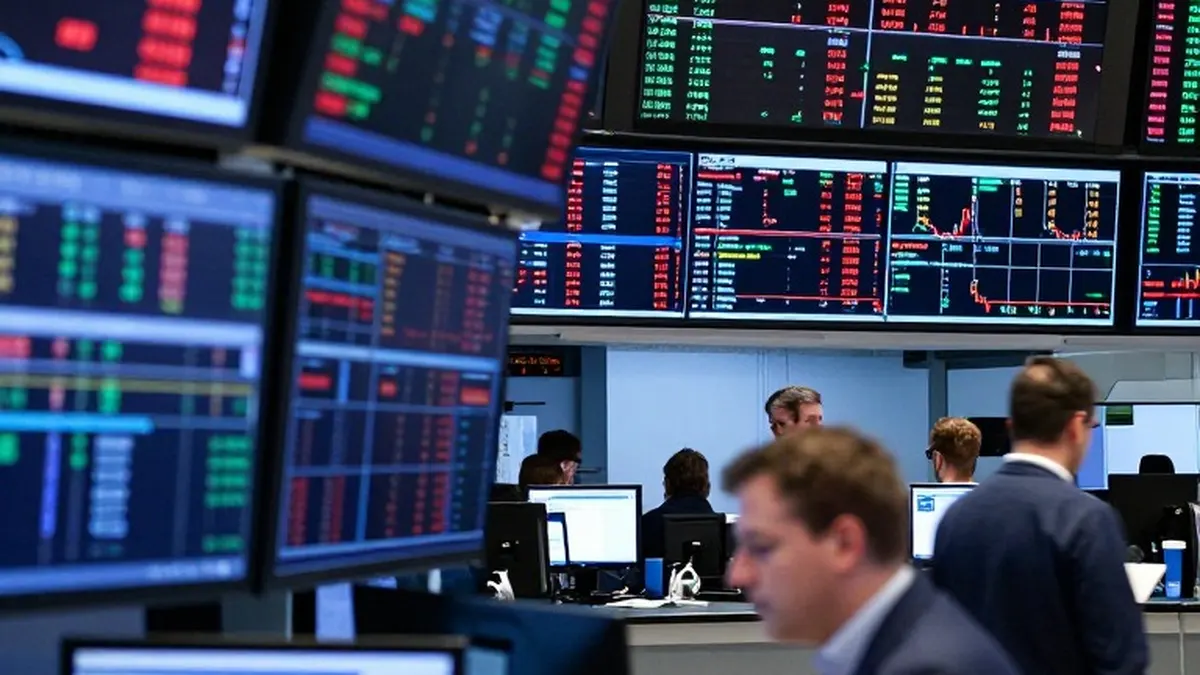
Nvidia co-founder and CEO Jensen Huang has returned to lead the chip giant after a dramatic two-week departure. The leadership shakeup began when Huang admitted to an infidelity scandal, prompting an independent board investigation and heightened scrutiny over national security concerns. He resigned days later but was reinstated less than two weeks after his initial exit.
The corporate drama unfolded during a period of significant turbulence in the artificial intelligence sector. As investors questioned the long-term sustainability of the AI boom, stocks for so-called neoclouds and major chipmakers like Arm and AMD experienced notable declines. During Huang's brief absence, Nvidia's market capitalization dropped by more than $1 trillion before recovering nearly that amount following his return.
Huang's surprise reinstatement initially sparked a surge in Nvidia shares, which rose by 31%. Other AI-related stocks also saw gains on the news. However, the momentum faded by Tuesday's close, with Nvidia and several chip peers seeing their prices fall again. This reversal has left investors debating whether the return restored genuine confidence or merely triggered a short-lived relief rally.
Market analysts suggest that while the CEO's return is a positive development, it does not resolve all underlying risks. Kyle Rodda, an analyst at Capital.com, noted that the market is refocusing on fundamentals. He stated that Huang's reinstatement is a boon for the AI trade but does not eliminate concerns about a potential peak in investment and moderating earnings growth.
Violeta Todorova, a senior research analyst at Leverage Shares, attributed the early weekly rally largely to Huang's return. She pointed out that fresh tariff threats from the Trump administration have also contributed to market uncertainty. Todorova expects Nvidia's share price to trade sideways between $125 and $170 in the near term, as the short-term rally has already reversed course.
Nvidia stock closed at $149.30 on Wednesday, valuing the company at approximately $3.6 trillion. This figure is roughly $2 trillion lower than the peak valuation recorded in October. Egor Tolmachev, a senior analyst at Freedom Capital Markets, predicted that Nvidia would remain volatile and trade below its October high at least until the Congressional appearances scheduled for December 1 through 3.
Volatility is not limited to Nvidia. Other key players in the AI ecosystem have shown mixed results. Anthropic has experienced a mixed first week as a public company. Meanwhile, AMD shares fell by 25% over the past five days, and memory chip maker Micron dropped by 18%. Both companies saw spikes on Monday before paring those gains by the end of the week.
While Huang's return has removed one source of uncertainty, the continued fluctuations suggest that investors are focused on broader economic questions beyond corporate leadership. The AI market appears to be trading on concerns about returns on investment rather than just the identity of the chief executive.
In other technology news, German software major SAP is reportedly considering cutting at least 10,000 jobs as part of an AI push. Additionally, the U.S. has added Megaspeed to a trade blacklist due to export control concerns arising from the Nvidia controversy.
Looking ahead, a Chinese electric vehicle firm claims that robots could be performing household chores within one to two years. SpaceX and Elon Musk have also pledged to donate a share each to active Trump Accounts. Finally, Huang reportedly told staff that Nvidia does not currently need a succession plan, according to people present during the meeting.
More News · National news · Report a business · Got a Story?