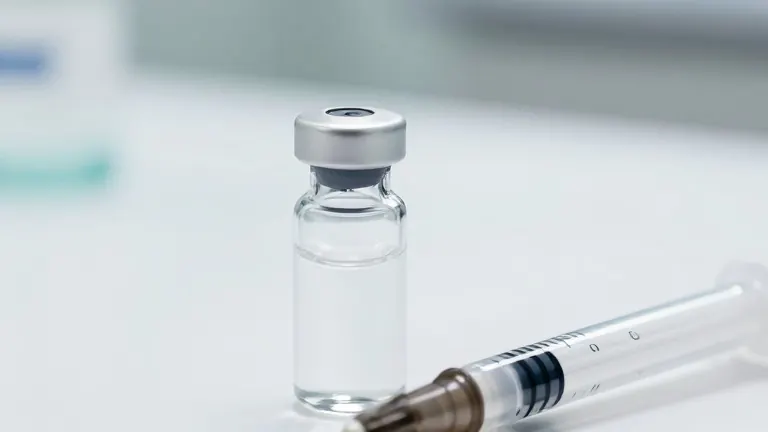
FDA panel votes to allow pharmacies to sell unapproved peptides
The move contradicts internal agency advice and faces scrutiny over member financial ties.
By Claire Darwish ·

Patients can soon access unapproved peptides through licensed pharmacies without formal FDA clearance. The agency moved to loosen restrictions on six experimental substances, including BPC-157, which have not completed rigorous clinical trials. This shift follows a recommendation by an advisory panel that voted to ease current rules despite warnings from FDA scientists.
The policy change centers on an access framework proposed on Oct. 14. Under the plan, compounding pharmacies could manufacture and distribute these compounds to consumers. FDA scientists advised against the measure in July, citing a lack of adequate vetting in human trials. The advisory panel, which guides the agency on such matters, rejected that caution. Many members of the panel are recent appointees with financial interests in the peptide industry.
HHS spokesperson Emily Hilliard stated in an email that all committee members meet FDA ethics requirements. Haleem Mohammed, a new panel member, voted in favor of the change. He said he supported the decision for patient safety and medical freedom. Mohammed serves as the chief medical officer for Gameday Men’s Health, a clinic that sells peptides. Kris Wusterhausen, another new appointee, has promoted BPC-157 for treating reflux and neurologic disorders. He founded an antiaging company that sells the peptide.
Proponents argue these substances are not drugs because they are natural. Gary Brecka, a co-chair of the MAHA action committee, has claimed peptides are distinct from traditional drugs. However, regulatory definitions classify substances as drugs when they treat or prevent conditions. Jacob Sherkow, a law professor at the University of Illinois Urbana-Champaign, noted that natural origin does not exempt a substance from being a drug. He cited heroin as a natural substance that is universally recognized as a medication.
Safety concerns persist regarding the most popular compound, BPC-157. Katrin Svensson, a peptide scientist at Stanford University, said researchers have not found a trace of the compound in the human genome. It was originally isolated from gastric juices in Croatia. Svensson noted that natural compounds can be toxic and that placebo-controlled trials are necessary to identify long-term issues like liver damage. The FDA is currently reviewing restrictions on this peptide and five others that lack high-quality trial data.
Clinical evidence for these treatments remains limited. A 2005 study on BPC-157 for inflammatory bowel disease was deemed inadequate by FDA reviewers due to missing methodological details. A separate small study found relief for knee pain in 14 of 16 patients, but it lacked a control group. Flynn McGuire, a rehabilitation doctor at the University of Utah, said he will not prescribe BPC-157 until quality studies are completed. He stated that medicine and science do not work fast, even if patients want new options quickly.
The economic backdrop for these drugs includes a projected $190 billion market for GLP-1 medications within the next decade. Pharmaceutical companies are currently litigating over patents for these weight loss drugs. Peptide patents are also active, with an early formulation of BPC-157 currently for sale. PhRMA, the pharmaceutical trade group, warned that easing restrictions would erode incentives for manufacturers to invest in the time and cost required for full FDA approval. They noted that compounding pharmacies would not need that same regulatory pathway.
Supporters of the change point to high healthcare costs and low life expectancy in the U.S. compared to other wealthy nations. A recent KFF poll found that six in 10 U.S. adults worry about affording prescription drugs. The new access policy aims to lower barriers for consumers seeking these experimental treatments. The FDA’s move allows these products to enter the market while the regulatory debate continues.
Source: Boston Herald
More Business · Bad Service · Report a business · Got a Story?