Violence Against Iranian Women Persists Despite Recent Social Shifts
Recent killings and punishments in Iran reveal the ongoing challenges women face in asserting autonomy despite social changes since 2022.
By Alexei Malhotra ·
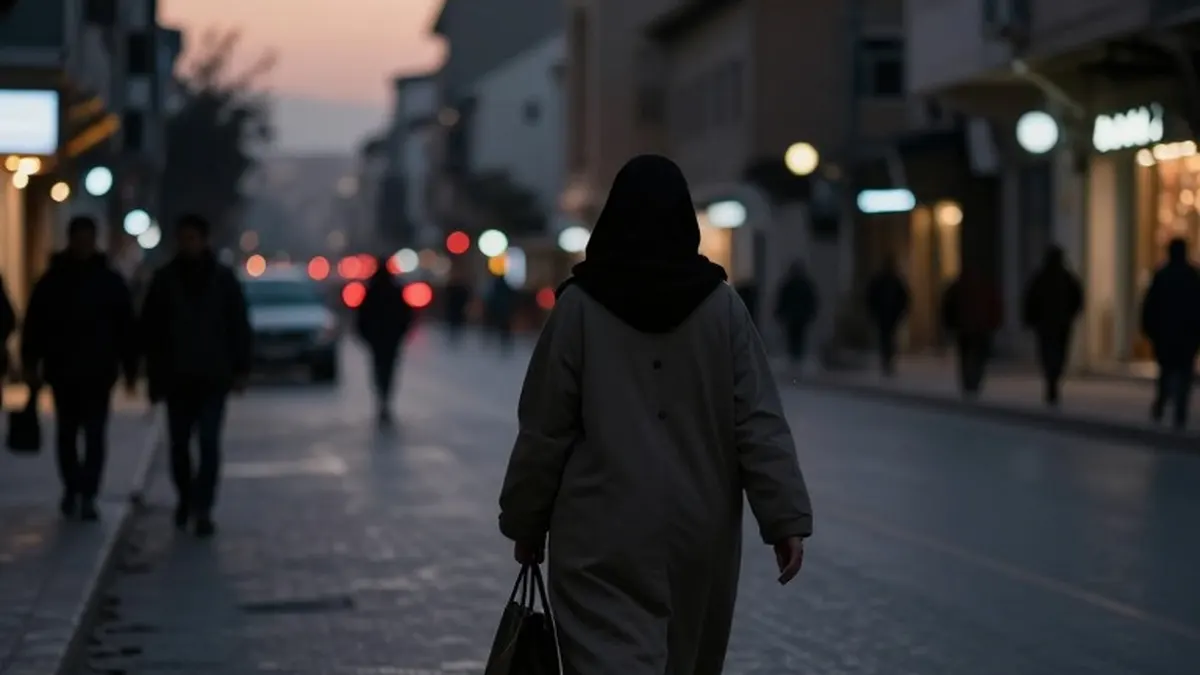
The recent killing of Helia Fattahi in western Iran has highlighted the enduring tensions surrounding women's autonomy within the country. Fattahi, who was unmarried, was allegedly killed by her parents in Sanandaj on November 21 after telling them she was pregnant. Local media reports indicate the parents confessed, citing the shame their daughter brought to the family, although the provincial police chief described the motive as a family dispute. Neither parent has been formally charged with a crime.
Two days after Fattahi's death, singer Parastoo Ahmadi and four members of her production team were flogged in the holy city of Qom. The punishment was related to a concert Ahmadi performed in December 2024 without wearing a headscarf. This incident, occurring alongside a series of other killings of young women in recent weeks, underscores the fragile nature of the freedoms Iranian women have gained over the past four years.
The core of this ongoing struggle involves questions about who holds the authority to dictate the lives of Iranian women, including their dress code, romantic choices, and marriage partners. The current social climate traces back to the protests that began in 2022 following the death of Mahsa Amini, a 22-year-old Kurdish woman who died in police custody after being arrested for an improper headscarf. Her family claimed she was tortured, sparking widespread demonstrations where women challenged the morality police and asserted long-denied freedoms.
While many women in urban centers now walk with their hair uncovered, the visible changes do not tell the full story. Fereshteh, a 27-year-old woman living in a white marriage, an unregistered union, spoke with CBS News via technology that bypasses internet restrictions. She noted that while her family accepts her arrangement, her friend was beaten and threatened with death by relatives before fleeing to Europe. Fereshteh stated that such dangers are particularly acute in smaller towns and rural areas.
Reports from northern Iran in recent days have illustrated the risks young women face when making independent marriage choices. In Gilan province, 23-year-old Sadaf Haghbin was fatally shot by her ex-boyfriend at her birthday party, with her refusal to marry him cited as a possible motive. In northwest Iran, 16-year-old Zahra Jeddi was killed by a man she had been religiously married to as a child and was attempting to leave, according to the Kurdish human rights organization Hengaw.
Hengaw has documented at least 159 femicides across 27 Iranian provinces in the past year, identifying at least 23 as honor killings. These figures represent only a portion of the violence that often goes unreported. While honor killings predate the Islamic Republic, the country's penal code can reinforce family authority by offering killers leniency. Article 301 exempts fathers or paternal grandfathers who kill their daughters or granddaughters from qisas, the Islamic principle of retribution that can lead to the death penalty.
Other perpetrators may also escape the harshest punishments if forgiven by the victim's legal heirs, who are often from the same family as the killer. An Iranian lawyer identified by the pseudonym Neyazi noted that judges frequently display leniency toward men accused of killing female relatives in the name of family honor. This judicial latitude contrasts sharply with the penalties women may face for appearing in public without a headscarf, including prosecution, surveillance, and vehicle confiscation.
The flogging of Ahmadi has drawn international attention at a time when authorities appeared to have relaxed some restrictions amid political pressures. However, the laws remain in effect, and businesses serving unveiled women risk being closed, according to Human Rights Watch. Inside Iran, a debate has been revived regarding the state's responsibility to protect women in danger, with the reformist newspaper Shargh questioning why public institutions failed to intervene in recent cases.
The killing of Romina Ashrafi in 2020 remains a stark example of this institutional failure. The 14-year-old girl was returned to her family by police after fleeing with her boyfriend, despite expressing fear for her life. Her father subsequently killed her with a sickle and was sentenced to nine years in prison. The Romina Bill, intended to boost criminal penalties for violence against women, has yet to become law in the six years since her death.
Iranian government spokeswoman Fatemeh Mohajerani has indicated that the Romina Bill could be submitted to parliament soon. While Iranian women have forced the easing of hijab restrictions and taken to the streets in recent years, the legislation bearing Romina's name has still not been enacted.