Turkey's COP31 Hostage to Prestige: Critics Call Climate Summit a Greenwashing Facade
Antalya hosts global climate negotiators while domestic activists accuse the government of burning imported plastic waste and favoring developers over environmental protection.
By Alexei Malhotra ·
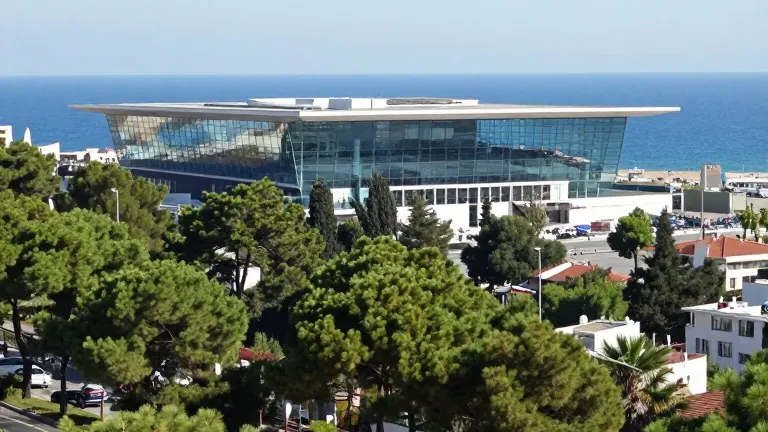
Thousands of diplomats and corporate executives gathered in Antalya, Turkey, on November 9 for the start of COP31, the United Nations' annual climate summit. While the Turkish government frames the event as a milestone in its rise as a global diplomatic power, local environmentalists argue the summit serves primarily as a stage for national prestige rather than a forum for genuine policy action.
Ümit Şahin, head of the climate change program at the Istanbul Policy Center, described the hosting rights as a showcase for Turkey's status as a middle power. He noted that Turkey delayed ratifying the Paris Agreement until 2021, a decision driven by deadly wildfires five years prior and pressure from European trade taxes. Although Ankara subsequently established a dedicated climate ministry, Şahin argues the resulting strategies amount to extensive paperwork without a substantive domestic climate policy.
Critics point to the country's Zero Waste campaign as a primary example of what activists term greenwashing. Despite the campaign's goal to recycle or reuse all waste materials, Turkey currently imports more European plastic waste than any other nation. Şahin stated that much of this material is burned or dumped rather than processed, and he called for an immediate ban on plastic waste imports to prove the government's sincerity.
The tension between official messaging and on-the-ground practice is further illustrated by the summit's corporate sponsors. Activists identified Limak Holding, an infrastructure giant expanding coal mines on ancient olive groves, and Sinpaş GYO, a real estate developer that constructed a luxury resort inside a national park. These associations have fueled accusations that the government favors business interests over local ecological protections.
In response to the official proceedings, Turkish volunteers are organizing a parallel People's Climate Summit. Çiğdem Özbaş, a participant in that event, warned that corporate sponsors would present technological solutions while continuing practices she described as ecological ecocide. She accused the government of suppressing domestic dissent and stripping local protections for rural communities.
The Turkish Ministry of Climate did not respond to requests for comment regarding these criticisms. Özlem Katısöz of the Turkey chapter of Climate Action Network Europe viewed the summit as a necessary opportunity for the government to align its domestic laws with its global ambitions. She argued that Turkey must improve its internal climate policies to maintain a credible voice in international negotiations, a stance that positions the current summit as a moment of accountability for civil society.