Healey Doubles Bank Levy to Fund Winter Support
A 6% tax on bank profits and a 2p rise in property and savings rates will finance a £100 payment for 20 million households.
By Alexei Malhotra ·
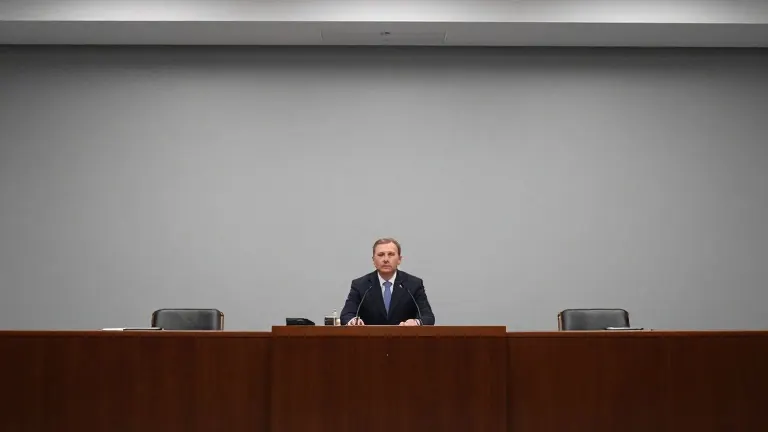
Chancellor John Healey announced a £100 winter payment for approximately 20 million English households during his first budget on Wednesday. The measure is designed to provide financial relief during the coldest months and is funded by new taxes on banks, landlords, and savers. The total cost of the initiative is estimated at £2.6bn, a figure that includes allocations for the Scottish and Welsh governments. Healey stated he hopes both administrations will use their shares to implement similar schemes.
The funding mechanism centers on a doubling of the bank levy to 6% for a period of 15 months. This increase was smaller than some industry insiders had predicted, and bank shares rose among the top performers in the FTSE 100 following the announcement. To cover the remaining costs, Healey raised tax rates on income from property and savings by 2p. This change was not anticipated by most market analysts and immediately drew scrutiny from housing and financial experts.
Reaction to the property and savings tax increase was mixed. Laura Suter of AJ Bell described the move as another hefty tax rise for savers and warned that landlords might respond by raising rents or selling their properties. The Office for Budget Responsibility noted that the measure risks leading to a steady rise in rents by deterring landlords from the market and reducing supply. Ruth Curtice of the Resolution Foundation argued the payment was poorly targeted, stating that the poorest households require more generous assistance. The New Economics Foundation assessed that Healey showed the right instincts but lacked the necessary scale.
Beyond the household payment, Healey scrapped fuel tax rises planned by his predecessor, Rachel Reeves. He also extended the existing VAT cut on electricity until next summer. For businesses in retail, hospitality, and leisure, the rates relief threshold increased from £12,000 to £18,000. This change is funded by higher taxes on gambling and vape shops. The move aims to support commercial operators facing high energy and operating costs.
Economic forecasts published alongside the budget paint a challenging picture. David Miles of the Office for Budget Responsibility described the outlook as a pretty grim picture, with inflation rising to nearly 4%. Growth next year is expected to be 1%, which is half a percentage point below the March forecast. Real disposable incomes are projected to be only 2% higher by 2030-31 than they were before the pandemic. EDF predicts the Ofgem price cap will increase by £466 in January.
The rising cost of borrowing has added £14bn to the government's interest bill this year due to higher inflation and interest rates. Despite this, the OBR confirmed Healey will still meet the main fiscal rule. The government will have headroom of £15bn by 2029-30, compared to the £24bn buffer Reeves built up in the spring. Healey promised to rebuild this buffer to £22bn by the end of the forecast period, emphasizing the need to use funds when necessary and rebuild them when possible.
Political rivals quickly weighed in on the announcement. Conservative leader Kemi Badenoch claimed Britain had overspent, overborrowed, and overtaxed. She suggested that deferring decisions to the next spending review indicated Prime Minister Burnham is keeping an early general election open. Burnham rejected this view, stating he could rule out an election for at least 12 months. Helen Miller of the Institute for Fiscal Studies warned that the upcoming spending review will be a crunch point for many government departments.
The budget also included smaller policy announcements. It hinted at looser visa salary thresholds in specific industries and granted new powers to Sadiq Khan to extend the Bakerloo line. Funds were also allocated to explore an Olympic bid from a northern city. The hour-long address was described as low-key and contained few surprises, with Healey stressing his intention to stay within Labour's self-imposed fiscal rules while monitoring nervous bond markets.
Healey attributed the difficult economic outlook to global economic storms, specifically citing the war in Iran and its impact on oil and gas prices. He framed the winter payment as a way to take the pressure off families and see them through to the spring. The government's approach balances immediate household support with long-term fiscal discipline, aiming to manage the cost of living squeeze without triggering a crisis in financial markets.
Source: The Guardian
More Politics · World news · Report a business · Got a Story?