Long Island Heating Oil Tops $6.20 Amid Strait of Hormuz Closure
Prices on the East End sit near seasonal highs as supply disruptions from the Middle East drive costs up from last winter.
By Claire Darwish ·
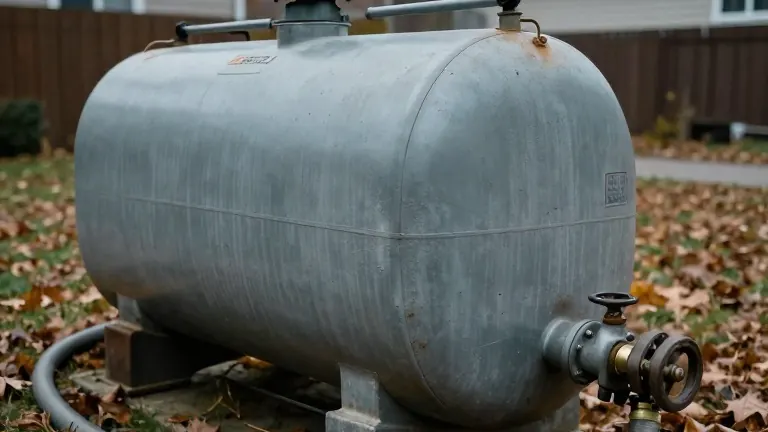
Long Island homeowners are facing heating oil prices that approach all-time highs as the winter heating season begins. The average price in the region stood at $6.27 per gallon last week. This figure is within four cents of the New York state average and sits 64.6 percent above the rate recorded one year ago.
While national fuel costs often track gasoline and diesel, heating oil remains the primary energy source for a substantial portion of the Northeast. The U.S. Energy Information Administration reports that 4.79 million households in the United States rely on this fuel. Of that total, 82 percent are located in the Northeast. In Suffolk County specifically, the U.S. Census Bureau’s American Community Survey indicates that 42 percent of households use fuel oil or kerosene for heat. This share is nearly equal to the number of homes served by natural gas lines.
The current price spike has roots in international supply constraints. The New York State Energy Research and Development Authority noted that Long Island prices peaked on October 26 at $6.40 per gallon. The last time prices reached a similar level was in May 2022, following Russia’s invasion of Ukraine, when they briefly hit $6.46. Recent disruptions include sanctions on Russian oil and Ukrainian strikes on Russian infrastructure. The most significant recent factor, however, is the conflict between the United States, Israel, and Iran. Iran closed the Strait of Hormuz on February 28, a move that restricted oil exports through the key shipping lane.
For the average Northeast household that uses 850 to 1,200 gallons per winter, the price increase translates to an additional cost of between $2,108 and $2,976 compared to last season. The statewide average price has dropped by 1 percent from the previous week, a decrease of six cents. Nevertheless, the current rate remains far higher than the $3.83 per gallon average from a year ago.
Residential costs vary based on the purchasing method. Cash on delivery rates are generally lower than prices set by delivery and service companies. These service providers charge a higher per-gallon fee in exchange for including no-cost emergency visits by a technician. Homeowners who sign annual contracts at a fixed price face a financial gamble. If market prices fall, the locked-in contract holder sees no savings until renewal. Conversely, locking in a price before a spike can result in substantial savings.
Some vendors now offer a ceiling price option. Under this arrangement, the cost per gallon cannot exceed an agreed-upon maximum. If market prices drop, the customer receives a portion of those savings. This structure provides protection against rising costs, though the ceiling price is typically higher than a flat annual rate.
More Business · Bad Service · Report a business · Got a Story?