Turnout Surge and Ground Games Shape Historic 2026 Midterm Shift
More than 59 million early votes set the stage for a decisive Democratic takeover of Congress, as both parties assessed their strategies in a high-stakes referendum on the presidency.
By Claire Darwish ·

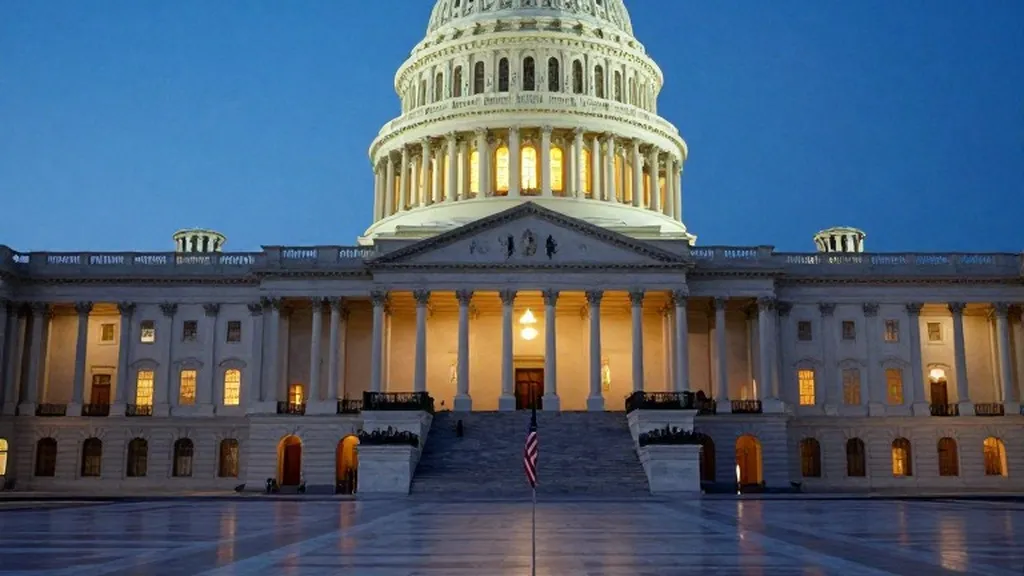
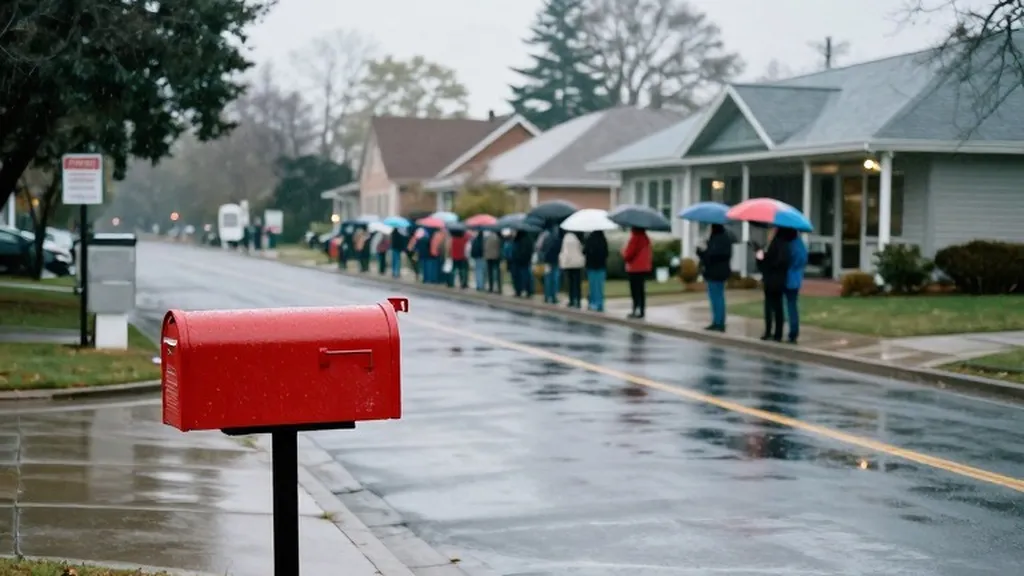
Washington, D.C. witnessed a historic shift in power on Tuesday, November 3, 2026, as voters cast their ballots in midterm elections that served as a direct referendum on President Donald Trump's second term. The outcome was decisive, with Democrats securing majorities in both the U.S. House and the U.S. Senate. This result marks a significant departure from the political landscape of the past few years, driven by a surge in voter participation and a ground game that both parties had meticulously prepared for months.
The scale of the election was underscored by the unprecedented number of ballots cast before Election Day. According to an Associated Press analysis, more than 59 million people had already cast their ballots before Tuesday, surpassing the early voter turnout recorded in 2022. This massive early vote set the tone for the day, indicating a electorate that was deeply engaged and eager to voice its opinion on the direction of the country. The high volume of early votes suggested that both parties had successfully mobilized their bases, though the final outcome revealed a stronger push from the Democratic side.
Democrat Rep. Suzan DelBene, chair of the Democratic Congressional Campaign Committee, framed the victory as a response to widespread voter frustration. "The American people are angry. They want change," DelBene stated, noting that momentum was on her party's side. The Democratic strategy relied heavily on the argument that discontent over rising costs, the Iran war, and perceptions of presidential focus on capital projects rather than household economics would depress Republican turnout and drive Democratic voters to the polls. This approach proved effective, as the party gained at least 43 House seats and seven Senate seats, all of which were previously held by Republicans.
Republicans, for their part, held out hope that their significant financial advantage would help stem the tide. Republican-affiliated groups spent roughly 60% more than Democratic-aligned groups in the battle for the Senate, with outside groups and independent committees spending at least $2 billion in that race alone. Despite this spending disparity, the party lost at least seven Senate seats. Many Republicans blamed the Iran war for the party's wipeout, a sentiment echoed by Vice President JD Vance, who suggested the conflict was a factor in the massive losses. The party's map had been widely seen as favorable earlier in the year, but the results indicated that the political environment had shifted dramatically.
The election results confirmed that the midterm electorate was deeply unhappy with the country's direction. An Associated Press Voter Poll found that about three-quarters of voters felt "angry" or "dissatisfied" with the country's current trajectory. The economy was a central issue, with three-quarters of voters saying it was "not so good" or "poor." About 8 in 10 respondents stated that inflation had caused a "severe" or "moderate" financial hardship for their households. These economic pressures, combined with concerns over government corruption, drove voters to the polls in large numbers, resulting in a wave election that saw Democrats win a plurality of state government trifectas and a majority of governorships for the first time since before 2010.
In the Senate, Democrats achieved a net gain of seven seats, taking control of the chamber with a projected 54-44 majority. The seats that changed hands included Iowa, Kansas, Maine, North Carolina, Ohio, South Carolina, and Texas. This shift is particularly notable because it includes wins in states that Donald Trump won in the 2024 presidential election. In the House, Democrats gained at least 41 seats, moving from a minority position to a commanding 250-157 majority. The loss of 42 seats by Republicans, while short of the 48 needed to qualify as a wave in House terms, still represented a historic net loss that put the election in the top 20% of election years in terms of seat swings against a president's party.
President Trump had urged his party to treat the election as if he were on the ballot, visiting red states like Kansas, Mississippi, and South Carolina in the final stretch. He declared in a Fox News Channel interview that "inflation is solved," even though consumer prices had risen 3.6% in September from a year earlier. His aggressive campaigning underscored the challenges his party faced in turning out low-propensity voters. The president's apparent detachment from the results in the days following the vote, focusing instead on building projects, did little to calm speculation about his future governance style. German Chancellor Friedrich Merz questioned why Trump's governing style would change now, noting that he had largely governed without Congress for the past two years.
The new Democratic majority faces immediate legislative challenges, with healthcare and ending the Iran war at the top of their agenda. House Democratic leaders are planning to focus on boosting Medicaid and restoring tax subsidies to lower the cost of health plans. Rep. Hakeem Jeffries, who is expected to become the next House speaker, emphasized the need to "get out of the gate fast." However, passing legislation will require navigating a 60-vote threshold in the Senate and the potential for a presidential veto. Trump posted a photo of a red hat with the word "VETO" on it on election night, signaling his intent to fight the new Congress on key issues.
Global observers noted that while the election result was a stunning rejection of Trump's stewardship, deep distrust of the United States remains. London startup founder Joe Reeve said that America's ability to "rotate on a dime" has left allies wary. The election results have reshaped the face of political leadership, with a historic slate of women and candidates of color elected to Congress. As the new Congress prepares to convene in January, the focus will shift from the campaign promises to the practical work of governing, with the Democratic majority seeking to translate their sweeping victories into tangible achievements for voters.