Trump's Shadow: Rallies and Fraud Claims Shape 2026 Midterm Aftermath
The president's active role in the campaign, combined with his post-election statements, defines the dynamic between the White House and the new Democratic Congress.
By Alexei Malhotra ·
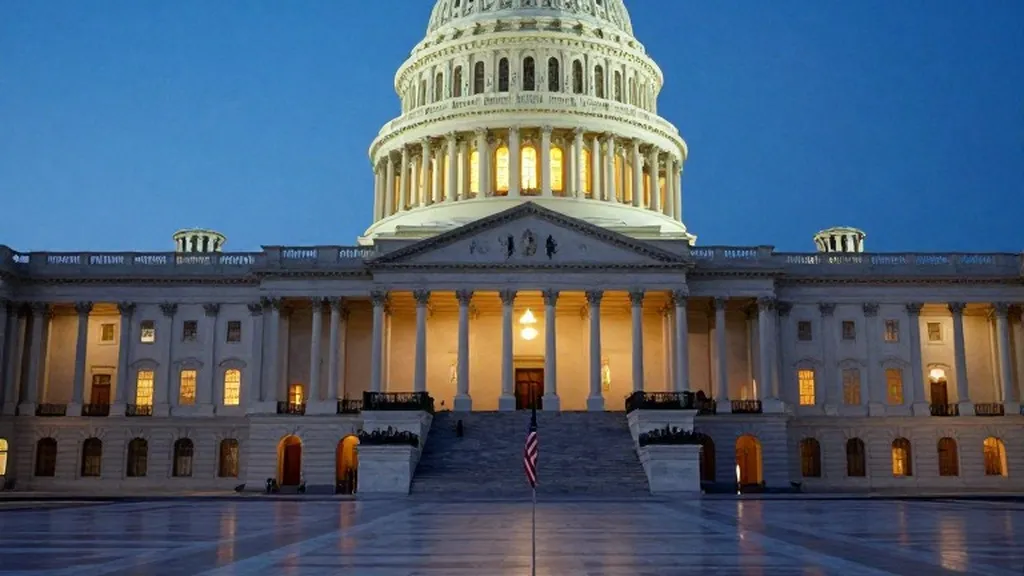
The 2026 midterm elections have concluded with a decisive shift in power, leaving President Donald Trump facing a Congress controlled by the opposition party. Democrats secured majorities in both the U.S. House and Senate, picking up at least 43 House seats and seven Senate seats previously held by Republicans. This result marks a significant setback for the president's party, with Republicans suffering a net loss of at least seven Senate seats, a swing that places the election in the top 20% of historical results against a sitting president's party. The new balance of power will test the relationship between the executive branch and the legislative branch as the new Congress prepares to take office in January.
Throughout the campaign, Trump maintained a high visibility that distinguished this cycle from previous midterms. He attended dozens of rallies across the country, often urging candidates to adopt his specific messaging strategies. One of his most frequent instructions to allies was to "pretend I'm on the ballot," a directive intended to transfer his personal popularity to down-ballot races. This strategy relied on the assumption that voters would support his chosen candidates because of their association with him. While this approach energized some base voters, it also drew criticism from opponents who argued it made the races too personal and distracted from local issues.
Despite his active campaigning, many candidates in both parties kept a careful distance from the president in the final weeks of the election. Polling data indicated that Trump's approval numbers had softened, leading some candidates to moderate their tone to appeal to independent voters. This distance created a complex dynamic where candidates sought his endorsement without appearing too closely aligned with his more polarizing rhetoric. The result was a campaign where the president's shadow was felt strongly, yet his name was not always the primary focus of the debate in key battleground states.
Following the election results, Trump moved quickly to address the outcome. He raised concerns about the integrity of the process, making claims of fraud in several key races. These assertions have been a hallmark of his post-election communications in recent years, though the specific allegations in 2026 focused on counting delays and administrative errors in a handful of states. The president's statements suggested a willingness to challenge the results if necessary, setting the stage for potential legal battles and disputes in the weeks ahead. His comments were delivered during a press conference where he emphasized his commitment to a fair process while questioning the handling of the vote in certain districts.
The reaction from the new congressional leadership was swift and firm. House Democratic Leader Hakeem Jeffries, who emerged as a key figure in the post-election period, supported a measure to impeach Defense Secretary Pete Hegseth. This move, while focused on the war in Iran, signaled the new Democratic majority's intention to hold the administration accountable. Jeffries stated that the impeachment push was a necessary step to ensure the executive branch adhered to the Constitution. The resolution, introduced by Rep. Thomas Massie, a Kentucky Republican who had lost his primary earlier in the year, highlighted the internal divisions within the Republican party as well.
Trump responded to the impeachment threat with characteristic force, calling Massie a "loser" who had "a lot of hatred in his heart." This personal attack underscored the strained relationship between the president and some of his former allies. The president's comments were part of a broader briefing where he addressed the political landscape and the challenges ahead for his administration. He expressed confidence that the Senate, which still had a Republican majority until the new Congress convened, would handle the matter appropriately. However, the shift in power dynamics made the outcome of any potential trial more uncertain than in previous cycles.
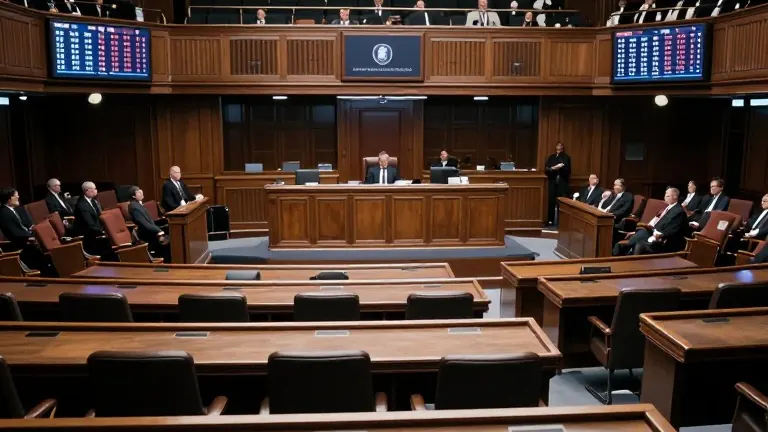
The new Democratic majority in the Senate, led by figures such as Sen. Chuck Schumer, endorsed the impeachment push. Schumer stated that Hegseth must stand trial before the Senate, indicating a united front among the new leadership. This stance contrasted with the frustration expressed by Republican leaders like House Speaker Mike Johnson, who argued that impeachment in the middle of hostilities abroad would be a negative signal to allies and enemies alike. The debate over the timing and necessity of the impeachment vote highlighted the broader tensions between the two parties as they prepared for the new legislative session.
Beyond the immediate political maneuvering, the election results have implications for policy areas such as education and foreign affairs. Democrats, now in control of both chambers, are preparing to use their oversight and appropriations powers to push back against administration decisions. Rep. Bobby Scott of Virginia, the top Democrat on the House Committee on Education and the Workforce, announced plans to investigate the dismantling of the U.S. Education Department. This focus on education policy reflects the broader Democratic agenda to rein in certain executive actions that have been controversial among voters in the 2026 election.
The president's role in the aftermath of the election will be closely watched as he navigates the first year of a divided government. His approval numbers, which fluctuated during the campaign, will likely remain a key factor in how the new Congress interacts with the White House. The combination of his active campaigning, his post-election fraud claims, and the new Democratic leadership's aggressive posture creates a volatile political environment. As the new Congress convenes in January, the focus will shift to specific legislation and oversight, with the president's influence continuing to shape the agenda from the outside.