Xi Opens Four-Day Plenum With Eight Empty Central Committee Seats
China's top party body convenes for a discipline review amid the lowest attendance since 1976 and ongoing military leadership changes.
By Thiago Cruz ·
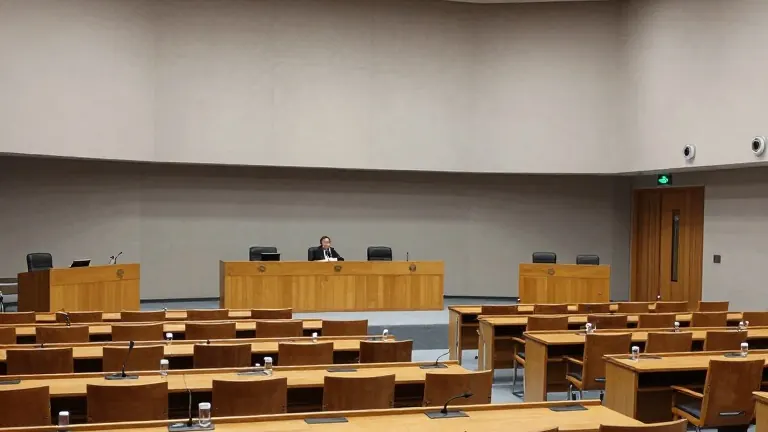
Chinese President Xi Jinping opened a four-day session of the Communist Party's Central Committee on Monday. The gathering, known as the fifth plenum, is a closed-door meeting involving approximately 300 senior party members. The primary focus of the agenda is strengthening internal discipline and enforcing loyalty among the party's leadership.
Attendance at this year's session marks the lowest turnout since the death of Mao Zedong in 1976. Eight seats within the Central Committee are currently vacant. An additional 15 members are under investigation and may face replacement before the plenum concludes. These absences reflect the impact of the party's extensive anticorruption drive, which has removed thousands of officials over the last 14 years.
The timing of the meeting is strategic. It occurs roughly one year before Xi is expected to secure a fourth consecutive five-year term as party leader. Personnel changes in key leadership bodies are anticipated in the near future. Ruby Osman, a senior policy adviser at the Tony Blair Institute for Global Change in London, told The Associated Press that the plenum provides a mechanism to ensure newer generations of officials align with Xi's perspective on national risks and opportunities.
State media published a speech by Xi in January that criticized specific behaviors among cadres. He targeted officials who appear to follow directives but resist them internally. He described these individuals as politically opportunistic and driven by individualism. The official Xinhua news agency reported that the committee will review a draft policy decision on full and rigorous party self-governance. The goal is to make the bureaucracy more disciplined and less corrupt.
Neil Thomas, a senior fellow at the Asia Society Policy Institute, expects the session to emphasize closer scrutiny of public spending. He also anticipates calls for using technology to detect corruption and imposing stricter penalties for officials who fail to meet presidential priorities. The anticorruption campaign has significantly altered the military hierarchy, removing five of the seven members of the Central Military Commission. The plenum may finalize new appointments to that body or restructure the party's control over the armed forces.
The political session unfolds against a backdrop of economic challenges. China's economy is grappling with weak domestic spending and a prolonged crisis in the property sector. Tensions with the United States also continue to influence the priorities of China's leadership as they navigate these internal and external pressures.
Source: Al Jazeera