30,000: The Price Tag on Tesla's Robotaxi Rollout
Tesla plans to begin handing over its two-seater Cybercab to private customers before 2026 ends, though most units will remain in the company's own ride-hailing fleet.
By Claire Darwish ·
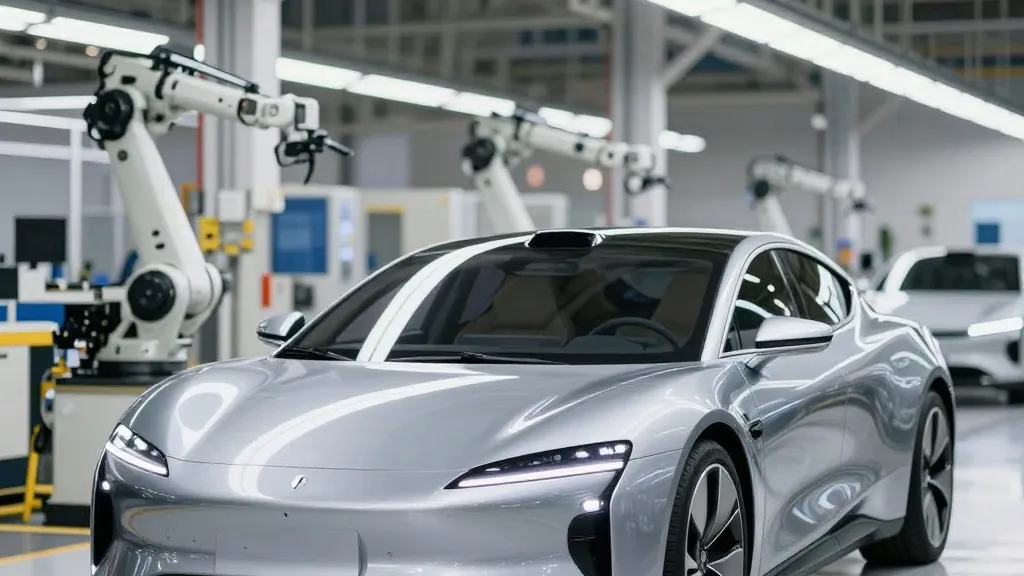
For the first time, there is a specific date on the calendar for when the Tesla Cybercab might end up in a private driveway. Following the company's third-quarter 2026 earnings call held on October 21, the speculation surrounding the availability of this fully autonomous vehicle has largely been put to rest. The new target is for the company to start delivering these purpose-built robotaxis to individual customers before the year comes to a close.
The financial and logistical details suggest a cautious approach to this transition. While Tesla previously hinted at a price point of approximately $30,000 for the vehicle, the initial wave of private sales is expected to be small in scale. This limited start allows the engineering team to refine the logistics of delivery and the management of vehicles that are no longer under the company's direct operational control. The goal is to smooth out the process before scaling up ownership models for a broader audience.
Lars Moravy, Tesla's Vice President of Engineering, provided the timeline during the earnings call. He stated that the company is working to get Cybercabs into the hands of customers by the end of 2026. However, he clarified that current production at the Gigafactory Texas is not immediately heading to private buyers. Instead, all units coming off the line are currently being allocated to Tesla's internal Robotaxi fleet. This internal use allows the company to gather data and experience with the vehicle in real-world conditions before handing over the keys to the public.
Elon Musk, the CEO, reinforced the idea that the Cybercab is not intended to be a traditional personal car like the Model 3 or Model Y. He described the vehicle primarily as a "transport-as-a-service" offering. According to Musk, the vast majority of Cybercabs will remain owned by Tesla rather than being sold to private individuals. This positions the car more as a shared mobility asset than a standalone purchase for the average consumer.
The Cybercab itself is a distinct two-seater design that lacks a steering wheel or pedals, relying entirely on Tesla’s Full Self-Driving software. Production of the vehicle has been underway since February of this year. In early September, the company began using these early units in its public Robotaxi service, marking the first time the vehicle was operating in public view. As the company scales these operations, Moravy noted that they will mainly deliver these fully designed autonomous vehicles to customers, with the Cybercab serving as the first in that lineup.
There are still technical and regulatory hurdles to clear before widespread private ownership becomes a reality. Ashok Elluswamy, Tesla’s Head of AI, indicated during the call that unsupervised Full Self-Driving is expected to ship to consumer cars during the second quarter of 2027. Until then, early buyers or fleet operators may find that the autonomous capabilities of their vehicles are geographically restricted, largely due to the pace at which regulatory agencies are approving the technology.
Source: Teslarati · original report published
More Business · Bad Service · Report a business · Got a Story?