Tesla Sets Q2 2027 Unsupervised FSD
Tesla executives confirmed a 2027 timeline for autonomous driving, but limited the feature to specific Robotaxi service areas.
By Thiago Cruz ·
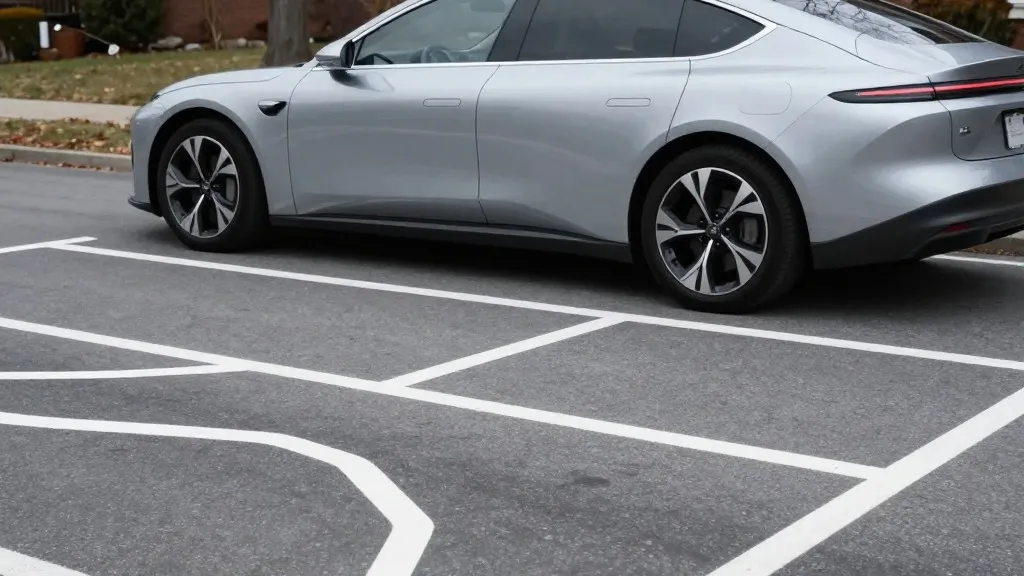
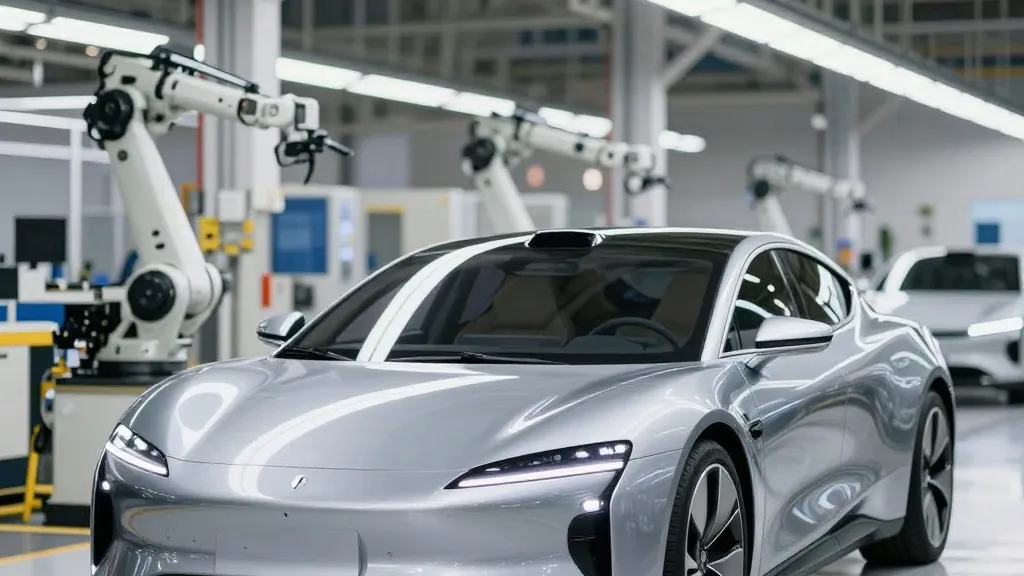
Tesla has officially targeted the second quarter of 2027 for the deployment of unsupervised Full Self-Driving in consumer vehicles, a milestone that marks a significant shift in the company's long-standing autonomous driving roadmap. During the Q3 2026 earnings call, AI leader Ashok Elluswamy clarified the scope of this update, noting that it will not function as a universal software patch allowing owners to drive anywhere without supervision. Instead, the feature will enable customers to integrate their personal vehicles into Tesla’s managed Robotaxi network, meaning autonomous operation is restricted to pre-defined service zones where the company already runs its ride-hailing service.
The announcement responds to a prominent question from retail shareholders, who submitted an inquiry backed by approximately 1.1 million shares asking when unsupervised FSD would become available. Elluswamy’s response indicated that the first step involves owners adding their cars to the Robotaxi fleet, rather than receiving a vehicle that can navigate any route independently. This distinction limits the utility of the technology, as owners can only utilize unsupervised driving within the geographic boundaries of Tesla’s existing Robotaxi operations.
Currently, Tesla’s Robotaxi service operates in six U.S. metropolitan areas, though the service areas are often geographically constrained. For instance, the Miami zone primarily covers West Miami and specific corridors toward Doral and Sweetwater, while Orlando and Tampa launched with similarly small geofences in July. Within these zones, the system generally avoids highways and focuses on low-speed routes. In the Bay Area, unsupervised operation is not yet permitted due to California regulations that require a safety driver, a rule Tesla adheres to because it has not yet released the necessary data to the state DMV to move beyond Level 2 autonomy.
The scale of Tesla’s current autonomous fleet remains modest. By the end of the third quarter, the company reported nearly 2 million cumulative unsupervised miles, a figure achieved after the Cybercab joined the Austin fleet. Third-party tracking suggests that the number of fully driverless Teslas on the road is in the dozens, a stark contrast to the hundreds of thousands previously envisioned by CEO Elon Musk. Competitor Waymo, which entered Orlando and Tampa before Tesla, has already accumulated over 3 million autonomous miles.
This new target follows a series of shifting timelines. In July 2025, Musk suggested unsupervised FSD would be available for personal use in certain geographies by the end of that year. However, owners of hardware version 3 have been informed that their vehicles cannot support unsupervised FSD, with no clear upgrade path. The product is now defined more narrowly: a car that joins Tesla’s fleet within Tesla’s zones, on Tesla’s terms. Elluswamy cited safety as the primary bottleneck, explaining that the company is limiting operations to lower-complexity environments to ensure reliability, though he acknowledged the company is still refining its understanding of when all safety hurdles will be cleared.
For New England readers and other potential buyers, the practical implications are clear. The promise has moved from a car that drives you anywhere to one that can work as a Robotaxi within a small, controlled geofence. This means no unsupervised cross-city commutes or highway trips unless the driver lives and works entirely within a designated zone. As the company continues to refine its technology, the gap between the initial marketing pitch and the current operational reality remains a central point of discussion among investors and consumers alike.
Source: Electrek · original report published