NASA finally reveals how many rockets it needs for the Moon
After years of vague estimates, a new figure of 22 Starship launches has emerged, raising questions about the timeline for returning humans to lunar orbit.
By Thiago Cruz ·
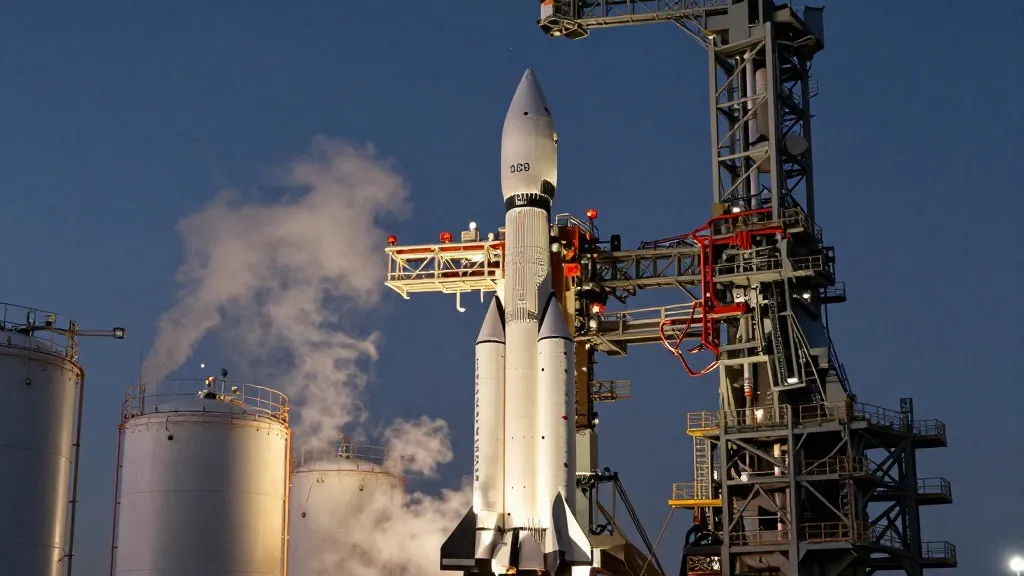
For years, NASA has treated the number of rockets needed to fuel a lunar lander with the secrecy usually reserved for nuclear codes. The agency has long avoided giving a definitive answer on how many Starship launches are required to send a crew to the Moon and back, often responding that the figure was simply unknown. This opacity has made planning for the Artemis Program difficult, leaving outsiders and officials alike guessing about the scale of the logistical challenge.
The estimate has been a moving target since the early stages of the program. In 2023, Lisa Watson-Morgan, then the director of NASA’s Human Landing System, admitted to having only a general idea of the requirement. She described the number as being in the “high single digits to the low double digits.” This range implied that SpaceX would need to launch approximately a dozen vehicles. Specifically, this would involve one “depot” Starship in low-Earth orbit and eleven “tanker” Starships to fill it with liquid oxygen and methane.
Other officials have offered even higher guesses, with some citing figures in the “high teens.” The underlying hope has always been that SpaceX would dramatically increase the lift capacity of the Starship rocket, thereby reducing the number of tanker flights needed for each mission. A higher capacity per launch would make the operation more efficient and less complex for NASA.
However, concerns are now growing among some NASA officials that these efficiency gains may not arrive soon enough. There is a fear that the Starship rocket might not be ready to play a meaningful role in returning humans to the Moon within this decade. If the number of required launches remains high, the logistical burden could delay the entire Artemis timeline.
A new, more specific estimate emerged on Thursday during the quarterly meeting of the NASA Aerospace Safety Advisory Panel. Charlie Precourt, a former NASA astronaut and panel member, discussed the risks associated with the Artemis Program. His remarks highlighted the continued uncertainty surrounding the fueling process for the lunar lander in low-Earth orbit.
The newly suggested figure of 22 launches is a significant jump from the “low double digits” previously hinted at. This number represents the total count of Starship missions needed to assemble the necessary propellant in orbit before the lander can depart for the Moon. It underscores the complexity of the mission, which requires multiple launches to build up the fuel supply in a depot before the crewed vehicle can make its journey.
While NASA has not officially adopted this new number as a fixed requirement, its emergence in a formal safety panel discussion signals a shift in how the agency views its logistical needs. The debate over the exact number of launches is no longer just a technical detail; it is a central factor in determining whether the Moon landing can happen on schedule or if further delays are inevitable.
Source: Ars Technica · original report published