Ableton Live 13 adds step sequencer
The 2027 update brings a native step sequencer, ARA plugin support, and a new drum synth to the popular DAW.
By Claire Darwish ·
Producers using Ableton Live will gain a dedicated step sequencer in the software's next major release. The company announced Live 13 today, confirming the update is scheduled to arrive in early 2027. This addition addresses a long-standing gap for users who previously relied on the Push controller or the piano roll to sequence steps in their desktop sessions.
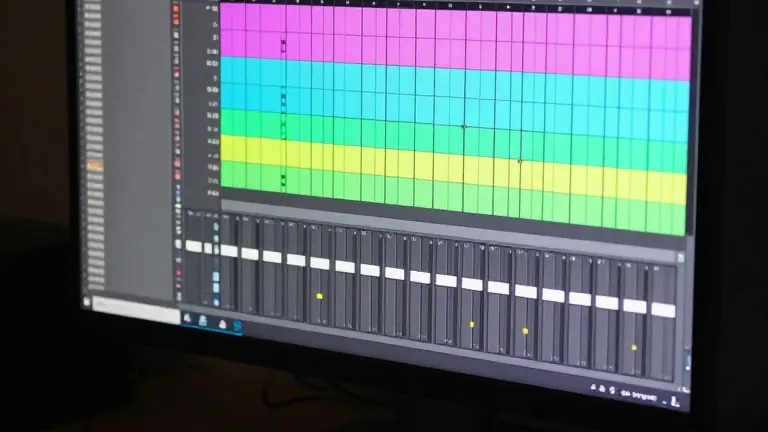
The new sequencer allows users to adjust velocity, timing, chance, length, and repeats for every step in the grid. Each track within the grid can maintain its own length, playback rate, and direction. This setup enables creators to build complex and evolving patterns directly within the application without external tools.
Ableton Live 13 also introduces support for ARA plugins. This feature allows compatible tools, such as Melodyne, to process audio directly inside the DAW. Previously, users had to export audio files to external applications for tasks like pitch correction and then render the results back into their projects. Now, these adjustments can be made in the Live interface.
The update includes a new mixer view that displays all loaded devices on a track in a compact vertical format. Users can drag and drop devices between tracks or copy and paste them. This layout simplifies navigation for large sessions that may contain 30 or more tracks, offering a quicker way to manage sound chains.
A new drum synth joins the suite, offering more than 20 models across nine categories. These range from classic drum machine sounds to experimental abstract percussion. The release also adds Looplet, an experimental looping instrument with four playheads. It supports granular processing, filtering, and pitch control, allowing each playhead to be routed to individual tracks for further manipulation.
Additional changes include multiband racks for processing different frequencies through separate effect chains and a transient shaper for tightening drum sounds. Users can now apply envelope clips to return tracks to automate effects. Racks support up to 32 macros with custom mapping curves, and the Capture feature now records automation alongside MIDI notes. Push 3 owners will get custom layouts that combine mixers, note grids, and step sequencers.
The company described these changes as the biggest update to the digital audio workstation in years. While individual features may seem minor in isolation, their combined effect expands the creative possibilities within the platform. The full list of new capabilities is extensive, covering workflow improvements and new sound design tools.