Ukrainian Drone Detector Adds Mesh Modem Tracking Capability
Infozahyst updated its Pluton system to identify signal relay chains used by Russian UAVs, extending detection range to 70 km.
By Alexei Malhotra ·
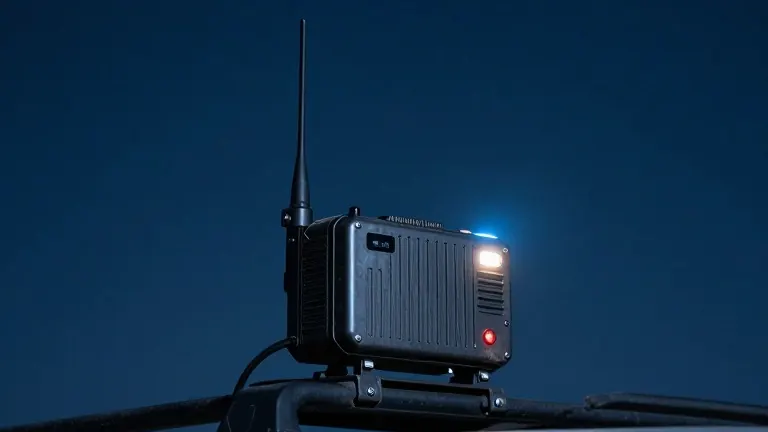
Infozahyst, a Ukrainian technology firm, has upgraded its Pluton air surveillance system to identify mesh modems mounted on Russian unmanned aerial vehicles. The company announced the update on Facebook, stating that these modems are now widely used by Russian forces to create signal relay chains for their drones. By targeting this specific hardware, the system aims to catch threats that standard radar might miss.
Ukrainian experts had previously confirmed the presence of these modems on several Russian drone models. These include the Gerbera, the Shahed/Geran, the Molniya, and the V2U. The addition of mesh modem detection allows the Pluton system to decode communication channels and match them against a database. This process helps operators spot potential threats earlier and improves their situational awareness on the ground.
The update also introduces remote monitoring features. The system now connects via a virtual private network, allowing personnel to track threats from safe distances. This integration enables staff to receive alerts while staying out of dangerous zones. The manufacturer notes that this setup supports broader remote surveillance operations.
Pluton operates across a frequency range of 500 to 6,000 MHz. It scans this spectrum approximately 50 times per second. Depending on the flight altitude of the target, the system can detect drones at distances of up to 70 km. For power, the unit can draw electricity from a vehicle or run on its own battery, which provides four hours of independent operation.
The need for this specific upgrade became apparent earlier this year. In April, Serhii "Flash" Beskrestnov, an adviser to the Ukrainian President and a radio technology expert, reported that Russian Shahed and Gerbera drones with mesh modems were penetrating deeper into Ukrainian territory. Infozahyst has also developed a broadband receiver for electronic intelligence systems in the past, building on its existing expertise in signal processing.