Anthropic IPO: Infrastructure Costs vs. Valuation
Anthropic's IPO reveals massive infrastructure costs that raise questions about long-term profitability amidst a tightening hardware market.
By Thiago Cruz ·
Anthropic's upcoming initial public offering has exposed a significant gap between its market valuation and its future financial obligations.
The company is preparing for a valuation between $1.3 trillion and $1.4 trillion, a figure that sits below earlier speculative peaks of $2 trillion but remains exceptionally high for a technology firm. This price tag prompts a necessary examination of the underlying economic structure supporting such a massive valuation, particularly regarding the sheer volume of capital required to maintain its operations.
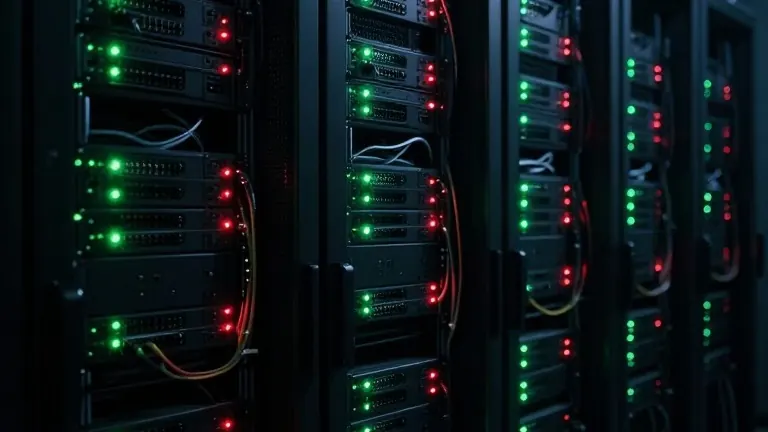
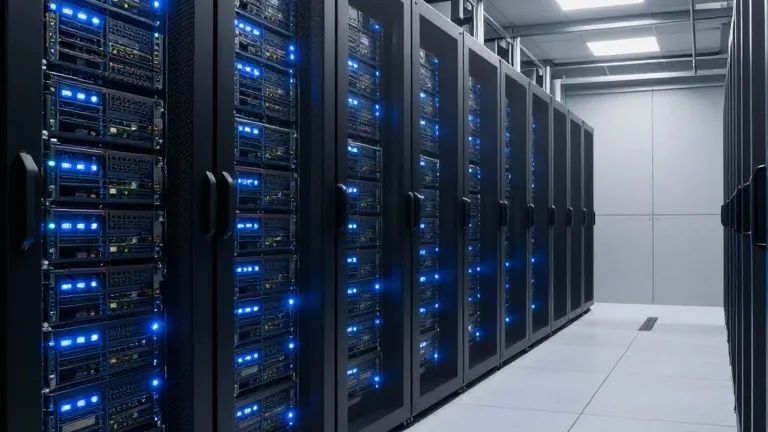
First, the scale of Anthropic's infrastructure commitments is staggering. The company's disclosures indicate nearly $900.9 billion in purchase commitments and lease agreements for computing infrastructure. While not all of this sum is immediate debt, approximately $451.6 billion is expected to be incurred before the end of 2030, with the remainder stretching through 2045. This creates a substantial future liability that must be supported by consistent revenue growth. Although Anthropic's annualized revenue run rate has reached approximately $81 billion, investors must distinguish between revenue and actual profit. The company must still cover costs for electricity, personnel, and maintenance, meaning that high revenue does not automatically equate to the cash flow needed to satisfy these hundreds of billions in obligations.
Second, the unit economics of serving AI users present a complex challenge for profitability. The cost of computing hardware, such as high-end GPUs, remains a significant barrier. Illustrative scenarios suggest that even with high subscription prices, recovering the cost of hardware alone can take several years if usage is intensive. While efficient batching and intermittent usage can improve margins for light users, heavy workloads like coding agents consume significant resources. This dynamic raises questions about whether current pricing models are sustainable over the long term, especially when hardware costs are factored in alongside other operational expenses.
Third, the consolidation of power in the AI hardware and distribution sectors is reshaping the competitive landscape. Nvidia, a dominant supplier of AI accelerators, has agreed to acquire Hugging Face for approximately $12.93 billion. Hugging Face serves as a critical distribution platform for open-source models, making this acquisition strategically significant. Critics argue that this move could give Nvidia undue influence over how models are discovered and deployed, potentially affecting competition. While Nvidia maintains that the platform will remain open, the combination of hardware supply, software ecosystem control, and distribution access warrants close regulatory scrutiny to ensure a level playing field for other developers.
The rise of open-weight models adds another layer of complexity to this market. Projects from various global firms have demonstrated that advanced AI capabilities can be deployed on private infrastructure, reducing reliance on expensive centralized services. This trend is accelerated by quantization, a technique that reduces the memory requirements of large models, making them more accessible on cheaper hardware. As these alternatives become more capable and affordable, the assumption that customers will remain dependent on proprietary, high-cost subscriptions may become less certain. This shift could pressure the premium pricing structures that currently underpin the valuations of major AI companies.
In conclusion, the AI sector is at a critical juncture where technological advancement meets financial scrutiny. While the potential of AI is undeniable, the path to profitability for companies like Anthropic is not guaranteed. Investors and market participants must carefully weigh the company's revenue growth against its massive infrastructure commitments and the evolving competitive dynamics in hardware and model distribution. The coming years will determine whether these trillion-dollar valuations are supported by sustainable economics or remain speculative bets on future breakthroughs.