The $0 Mandate: Trump Orders AI Giants to Pay Local Energy Dividends
The President has demanded that data center operators return excess power to nearby towns to offset rising utility bills, aiming to quell local opposition.
By Thiago Cruz ·
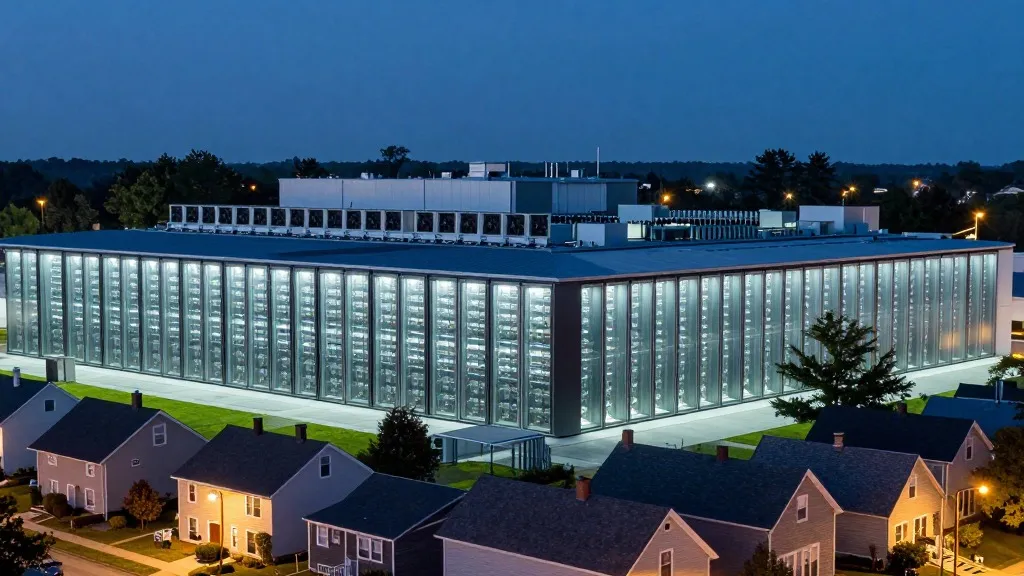
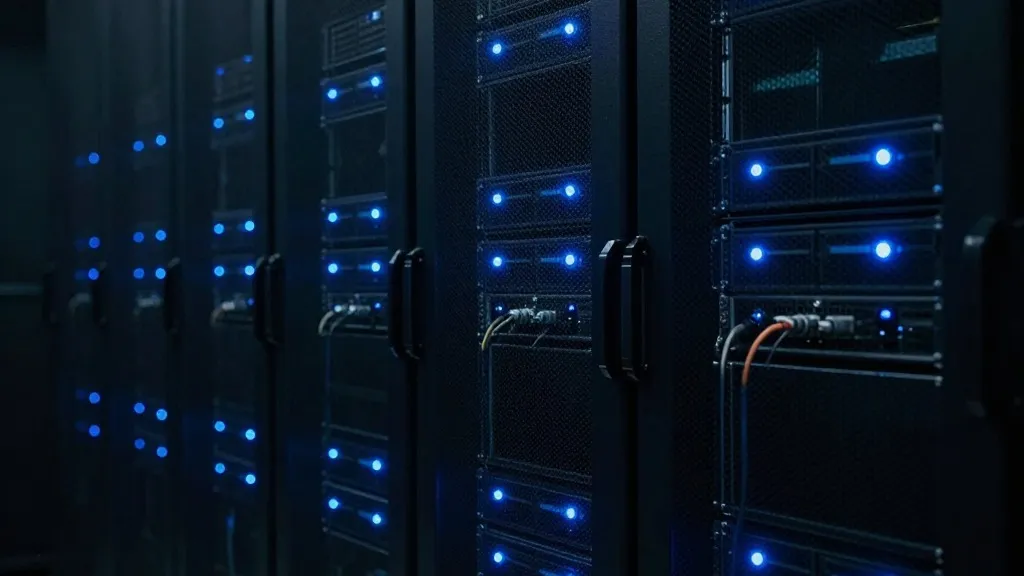
In a direct push to reshape the relationship between massive AI infrastructure and the neighborhoods hosting it, President Donald Trump has announced a new requirement for data center builders. The mandate compels hyperscalers to pay a financial dividend to local communities, specifically by giving or selling back excess energy. This move is designed to combat rising electricity costs and potentially lower them for residents living near these facilities, making the often-contested projects more acceptable to the public.
The administration’s strategy is clear: turn a source of local friction into a point of benefit. By forcing companies to share their surplus power, the White House hopes to alleviate the burden of increasing utility rates that have become a primary grievance in small towns. This follows a prior directive that these companies must generate their own electricity, rather than relying solely on the existing grid. The new rule builds on that foundation, requiring the excess generation to flow back to the community, directly addressing the pain points that have fueled recent protests against AI expansion.
Local resistance to data centers has intensified across the United States, driven by concerns over noise, water usage, and air quality. Residents have frequently cited the outsized impact of these facilities on their daily lives, particularly the spike in energy prices. By introducing a financial incentive, the administration aims to win back favor and accelerate the construction timeline. The goal is to ensure that the presence of these centers is seen as a net positive rather than a drain on local resources.
Trump emphasized the economic logic of the approach in his Truth Social post, arguing that unpopular projects become popular once a financial deal is struck. He urged industry leaders to "MAKE DEALS, and get them built!!!," highlighting the administration’s desire to stay ahead of China in the global AI race. The underlying premise is that if the community benefits financially, the political and social hurdles to building new sites will diminish significantly.
However, the practical application of this mandate remains a subject of debate. While the energy dividend targets electricity costs, other significant issues remain unresolved. Critics point out that water consumption, ecological damage, and pollution are still major challenges that a simple financial or energy offset may not solve. The term "dividend" also raises questions about timing, as new data centers are often not profitable for years after construction, potentially delaying any substantial payouts to locals.
Furthermore, the source of the excess energy is crucial. In the short term, many data centers rely on gas-powered generators, which can be noisy and inefficient. Whether this local generation improves the overall quality of life or simply shifts the pollution burden remains an open question. While a recently passed act requires data centers to cover grid upgrade costs, the new energy mandate adds another layer to the complex negotiation between tech giants and the communities they impact.
For New England residents, who are seeing increased interest in regional data center projects, this development signals a shift in how these facilities will be negotiated. The administration is betting that by making the data centers pay for their local impact, they can fast-track the infrastructure needed for the next generation of AI. Whether this approach will succeed in turning skeptics into supporters is yet to be seen, but the directive is now official.
Source: Tom's Hardware · original report published