Tesla Drops Cybertruck in Australia: Seven-Year Wait Ends in Refunds
Tesla is voiding thousands of Cybertruck reservations in Australia and New Zealand, citing the high cost of re-engineering the truck for right-hand-drive markets.
By Alexei Malhotra ·
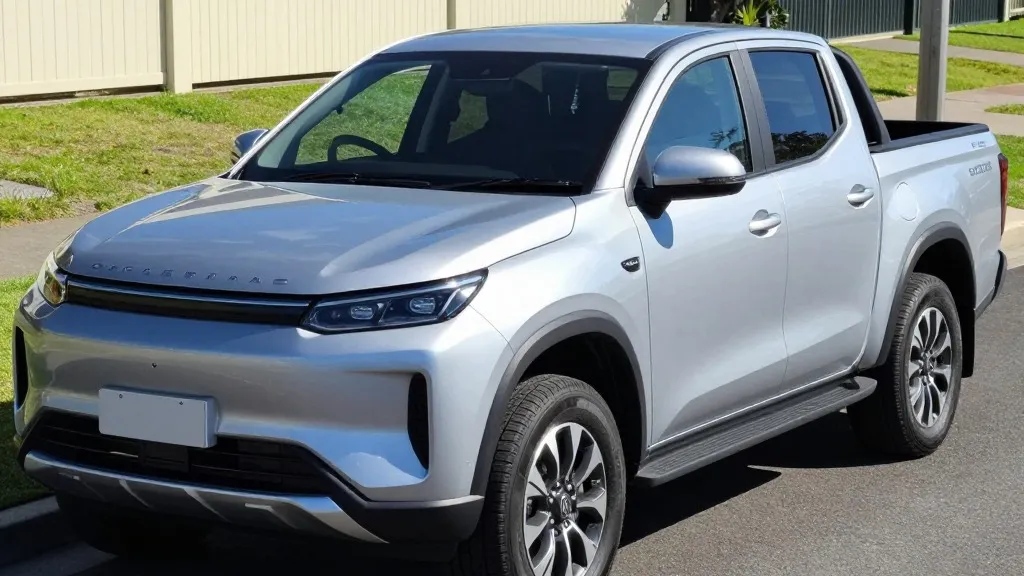
Tesla has officially pulled the Cybertruck from its expansion plans in Australia and New Zealand. Starting today, reservation holders in both countries are receiving emails confirming that their orders have been voided. The automaker is returning the A$150 deposits and offering a free year of supervised Full Self-Driving (FSD) to anyone who switches to a Model 3 or Model Y. This move marks the end of a long, frustrating wait for the electric pickup in the region.
The timeline of this wait stretches back nearly seven years. In November 2019, Australians began placing reservations for the truck. By 2022, Tesla quietly removed the reservation page from its website, replacing it with a generic update button while holding onto customer deposits without explanation. In 2024, the company shipped a Cybertruck to the region for a display tour, with CEO Elon Musk telling shareholders that certification for other markets might happen the following year. That promised year passed, and the truck never received a right-hand-drive version.
The core issue remains the vehicle's design. The Cybertruck is currently built exclusively in left-hand drive. To sell it in Australia and New Zealand, Tesla would need to re-engineer the vehicle for right-hand steering and meet specific local safety certifications. This represents a significant financial investment for a product that is facing demand challenges in North America. Tesla’s recent international launches have all been in left-hand-drive markets, including South Korea, the UAE, and several Middle Eastern nations. The truck is still blocked from the European Union largely due to pedestrian safety concerns.
Financial data suggests the numbers did not support the expansion. In the third quarter of 2026, Tesla delivered 8,295 units categorized as 'Other Models,' a group that now consists almost entirely of Cybertrucks since the Model S and X production lines ended. Estimates place quarterly sales between 7,000 and 8,000 units, an annual pace of roughly 30,000 vehicles. This is far below the 250,000-unit production capacity Tesla built for the line. For a company serving two markets with a combined population of about 33 million, the volume was likely too low to justify the re-engineering costs.
For the roughly 3% of global reservations that came from Australia, the cancellation is a definitive end to the uncertainty. While some reservation holders may have already canceled their pre-orders due to price increases and range changes since 2023, the official refund process provides a clean closure. The truck is increasingly becoming a niche product focused on North American buyers, with international expansion limited to markets that can accommodate the existing left-hand-drive inventory.
Moving forward, Tesla will likely focus on selling the existing left-hand-drive models in compatible regions. The decision to cancel the Australian and New Zealand plans confirms that the company is prioritizing efficiency over aggressive global expansion for this specific model. For customers in the region, the era of waiting for the Cybertruck is over, replaced by the option of the more established Model 3 or Y.
Source: Electrek · original report published
More Business · Bad Service · Report a business · Got a Story?