
NASA shifts lunar strategy to keep 2028 landing target on track
The space agency has adjusted its docking procedures and launch counts for major contractors to streamline the path to the Moon.
By Thiago Cruz ·
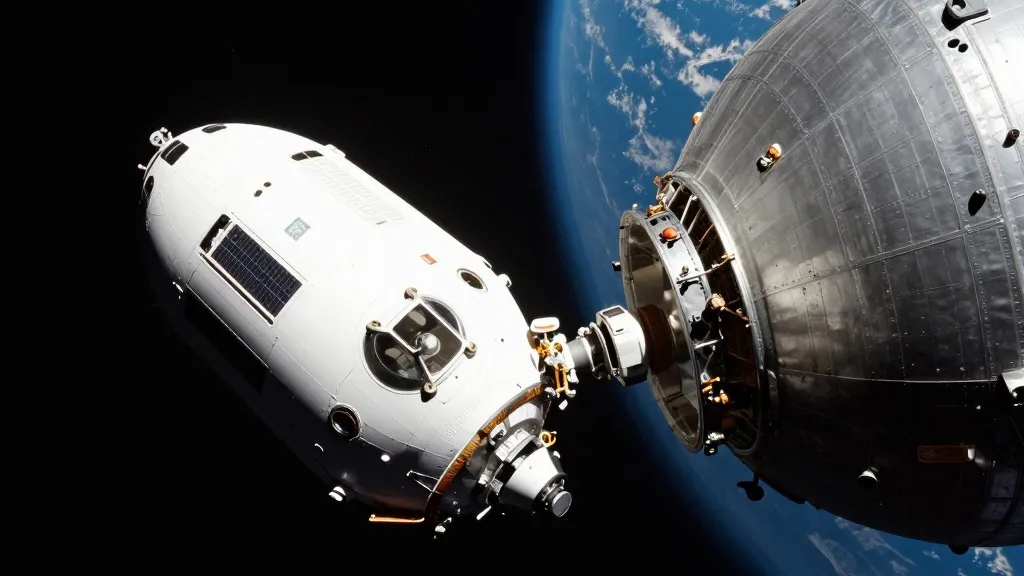
The race to return humans to the lunar surface has entered a more defined phase, with recent architectural changes designed to reduce complexity and cost. On Friday, NASA held a comprehensive news conference to detail these updates, offering the clearest picture yet of how it intends to achieve its goal of landing astronauts on the Moon as early as 2028.
While portions of these plans had been reported previously, this marks the first time the agency has formally acknowledged substantial shifts in its operational framework. These adjustments are critical for aligning the capabilities of its commercial partners with the agency's ambitious timeline. The primary focus of the revision is to simplify the interaction between the crewed spacecraft and the lunar landers, ensuring that the technical hurdles are manageable for the companies building the hardware.
A major change involves the SpaceX Starship vehicle. Under the revised architecture, the Orion spacecraft will dock with the Starship lander in high-Earth orbit rather than waiting for it near the Moon. This shift removes the need for the complex maneuvering previously required in a near-rectilinear halo orbit. By docking closer to Earth, the mission streamlines the transit to the lunar surface, addressing a key concern raised by SpaceX engineers who found the previous orbital requirements too energy-intensive and technically difficult.
The plan for Blue Origin presents a different approach, relying on a series of four launches of the New Glenn rocket. Notably, this architecture does not include any in-space refueling between spacecraft. Instead, the design allows for the Blue Moon lander to potentially rendezvous with the Orion spacecraft in low-Lunar orbit. This distinct strategy highlights the flexibility NASA is now allowing its partners to pursue, provided they meet the core mission objectives without adding excessive logistical burdens.
NASA officials maintained their current schedule during the presentation, stating that the Artemis III mission is still targeted for the summer of 2027. This upcoming flight will serve as a crucial demonstration, involving docking maneuvers with both the Blue Moon and Starship vehicles near Earth. Following that test, the agency is tracking toward a 2028 launch for Artemis IV, which would mark the first actual crewed landing on the lunar surface since the Apollo era.
Administrator Jared Isaacman expressed confidence in the agency's ability to meet these milestones. He stated, “This is an achievable path we are on right now. We have the mandate, we have the resources, and the support from our stakeholders to be able to execute, and that’s what we intend to do.” His remarks underscore a leadership team that has reviewed every element of the program to identify areas where changes can accelerate progress.
The decision to move the Starship docking to high-Earth orbit was directly influenced by the earlier cancellation of the Lunar Gateway. That change eliminated a major obstacle for SpaceX, which had long argued that the previous orbital requirements were a significant burden. By solving this issue, NASA has removed a major source of friction in the partnership and clarified the operational flow for the most complex part of the mission.
As the agency moves forward, the success of these revised plans will depend on the ability of its contractors to deliver on the new specifications. The next few years will test the resilience of the schedule and the effectiveness of the streamlined architecture. For New England readers and space enthusiasts nationwide, the coming months will offer critical data points as these vehicles undergo their final preparations for the historic return to the Moon.
Source: Ars Technica · original report published